
Manual first
Automated signals are reviewed before they become a conclusion.
SOKOL SCANNER / FULL SECURITY AUDIT
We assess any website, web application, API, server, network, cloud environment and external surface. We manually validate vulnerabilities and deliver an actionable report. The client implements fixes; technical support is available under a separate agreement. We can then perform a repeat audit.
Authorized only · Controlled scope · Confidential evidence
THE COMPLETE DIGITAL SURFACE
We assess the full authorized perimeter, separate scanner signals from confirmed vulnerabilities, evaluate impact and preserve reproducible evidence. Implementing fixes is outside the audit and agreed separately.
 01 / APPLICATION
 02 / INFRASTRUCTURE
 03 / COMMERCE
 04 / SURFACE
 05 / WEBSITES
 06 / RED TEAM
OUR APPROACH IN 30 SECONDS
From external-surface mapping and application analysis to human validation, evidence and a report that works for both leadership and engineering.
WHY SOKOL-SCANNER
Sokol-Scanner combines Red Team work with our own platform for reconnaissance, signals, evidence and context. The tool accelerates analysis, but the final decision remains human.
When a vulnerability matters, we look at its impact within the authorized scope: what it enables, what other assets it connects to, and what should be fixed first.
Explore the platform →Automated signals are reviewed before they become a conclusion.
We connect assets, access and findings instead of treating them in isolation.
Important findings include evidence, impact, priority and a clear recommendation.
A PROCESS WITHOUT BLACK BOXES
Define authorized assets, objectives, limits, work windows and safe validation levels.
Connect assets, services, technologies, entry points and dependencies.
Separate intelligence and signals from reproducible vulnerabilities and retain evidence.
Connect risk, evidence, root cause, priority and practical recommendations for the client team.
After the client implements fixes, we repeat agreed scenarios and record the new risk status. Remediation is agreed separately.
PROPRIETARY PLATFORM

SOKOL Scanner connects asset inventory, web intelligence, services, module output, human validation, evidence, reporting and repeat audits. Sources, hypotheses, observations and confirmed findings remain separate, so every result has an honest status.
OUTCOMES FOR LEADERS AND ENGINEERS
Leaders receive a concise risk and priority summary, while engineers receive reproducible evidence, root cause and concrete remediation guidance. Every finding keeps a transparent status through repeat testing.
Impact on business, data and processes without unnecessary technical noise.
Conditions, evidence, root cause and practical remediation guidance.
One finding status and a separate outcome from repeat testing.
What can happen, which data or processes are affected and why the issue has this priority.
Safe requests, relevant response excerpts, role, environment and conditions needed to verify.
Explain root cause, safe change options and defensive tests. Implementation remains with the client.
Repeat original scenarios after client changes and document whether risk is closed.
E-COMMERCE · PAYMENT · IDENTITY
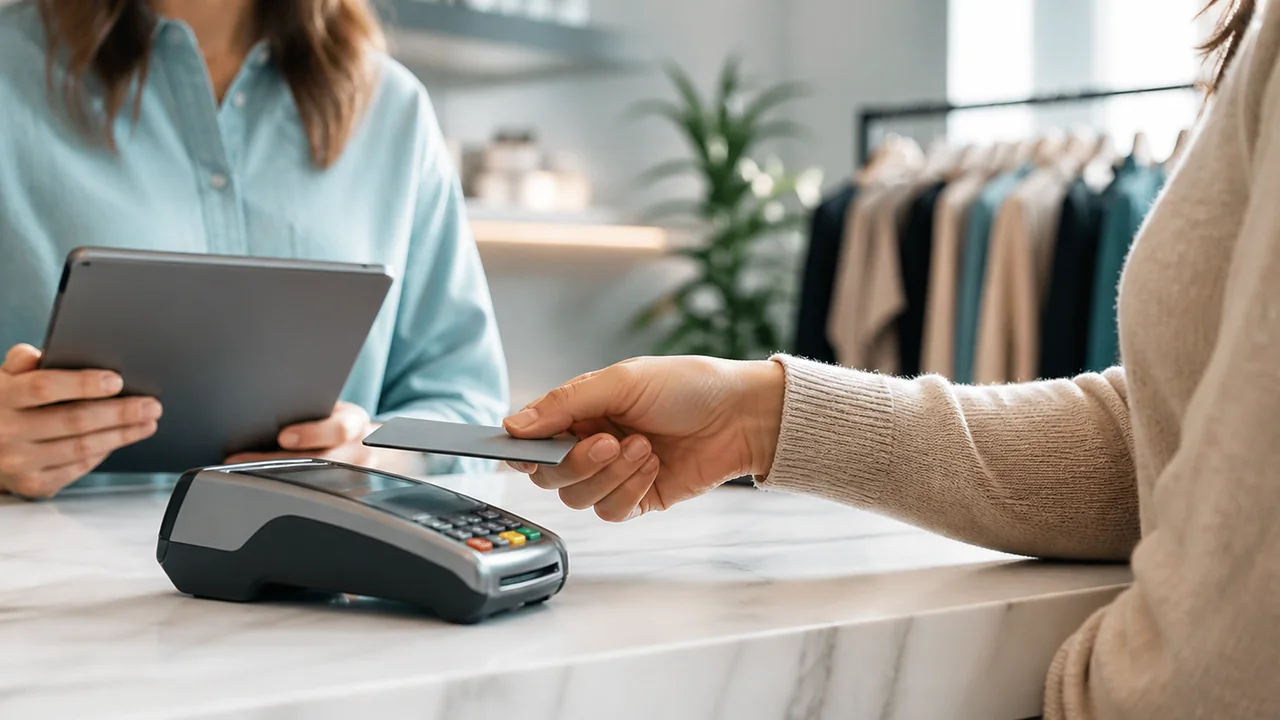
We test how customer identity, cart, checkout, APIs, webhooks, payment providers, administration, CMS and third parties connect. We validate access and business-logic flaws and provide recommendations. Fixes are implemented by the client or an agreed contractor.
METHODOLOGY & TRUST
We use recognized references and adapt testing to the real architecture. We do not display client logos, certifications or metrics we cannot substantiate.
OWASP WSTG and OWASP API Security guide coverage without turning the assessment into a rigid checklist.
Scope, reconnaissance, manual validation, evidence and reporting are handled as controlled stages.
Findings include context that helps teams decide what to protect and remediate first.
Targets and evidence remain within the project and are shared only with authorized contacts.
See a fictional, anonymized example of how we structure a finding: evidence, impact, priority and recommendations.
View sample report →NEWS AND ANALYSIS
An editorial selection of major incidents, research and trends from Reuters, Microsoft, Google Threat Intelligence and CISA. We do not copy the original articles: we summarize what happened and why it matters to organizations.
Attackers used convincing help-desk impersonation and phishing infrastructure against major financial firms, showing that identity and human workflows remain a critical attack surface.
Read analysis →Microsoft observed rapid exploitation of recently disclosed vulnerabilities in web-facing systems, sometimes moving from initial access to ransomware within a day.
Read analysis →A critical SharePoint issue remained exploitable after an initial patch, highlighting why organizations need exposure discovery and validation instead of assuming patch status equals safety.
Read analysis →FREQUENT QUESTIONS
Websites, web apps, APIs, servers, network services, VPN, cloud resources, WordPress/CMS, online stores, payment integrations and external attack surface. The final asset list is fixed in scope.
Our core deliverable is a set of validated findings, evidence and recommendations. The client team implements fixes. Technical support can be agreed as a separate service.
A scanner creates signals. A penetration test links them to architecture and roles, validates impact manually, removes false positives and preserves evidence.
No. CVE and threat-intelligence data remain hypotheses until product, version, exposure and reproducibility are verified in the authorized scope.
Yes. We only test client-owned assets or systems with explicit owner authorization. Scope and limitations are agreed before active work.
An executive summary, technical findings, impact, priority, safe evidence, reproduction steps, guidance, affected assets and retest status.
Yes. After the client makes changes, we repeat the agreed scenarios and record the new status. The repeat-audit format is agreed separately.
We keep evidence to the minimum needed, do not ask for passwords or tokens through the form and share material only with agreed contacts.
CONTACT
For the first message, simply describe the type of system and the goal of the assessment. Do not send passwords, tokens or sensitive data.